DRY Needling
Dry needling is a skilled clinical intervention, performed by a certified physical therapist, used to address neuromuscular dysfunction (strength), soft tissue restrictions (mobility), and pain.
We offer three specialized forms of dry needling, each designed to target different tissue and performance goals.
The type of dry needling performed depends on:
Acute vs. chronic presentation
Mobility restriction vs. activation deficit
Localized muscle dysfunction vs. global tissue restriction
Irritability level of the tissue
Performance demands and training goals
Most importantly, dry needling is not used in isolation. It is integrated with corrective exercise, strength development, and movement retraining to ensure that tissue changes translate into improved function and long-term performance.
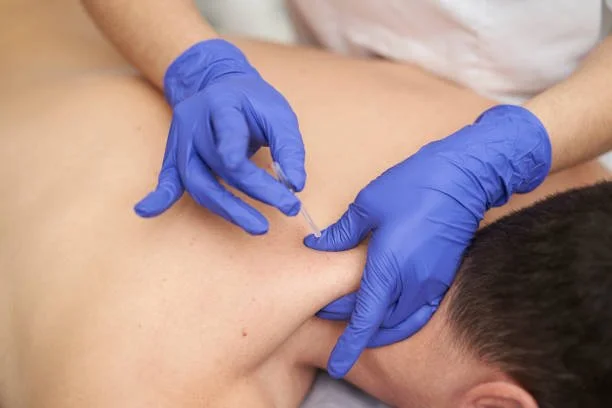
Trigger Point DrY Needling
Trigger point dry needling targets hyperirritable knots within muscle tissue. These trigger points can reduce strength, limit mobility, and cause pain locally or in referral patterns.
By inserting a thin filament needle directly into the trigger point, we stimulate a local twitch response that:
Decreases muscle tension
Improves blood flow
Reduces pain sensitivity
Restores normal muscle activation
Improves range of motion
Most Appropriate When a Client Has:
Palpable trigger points or taut bands
Localized muscle tightness limiting range of motion
Referred pain patterns
Acute or subacute muscle strain
Overuse injuries
Protective muscle guarding
Asymmetrical muscle tone affecting movement mechanics
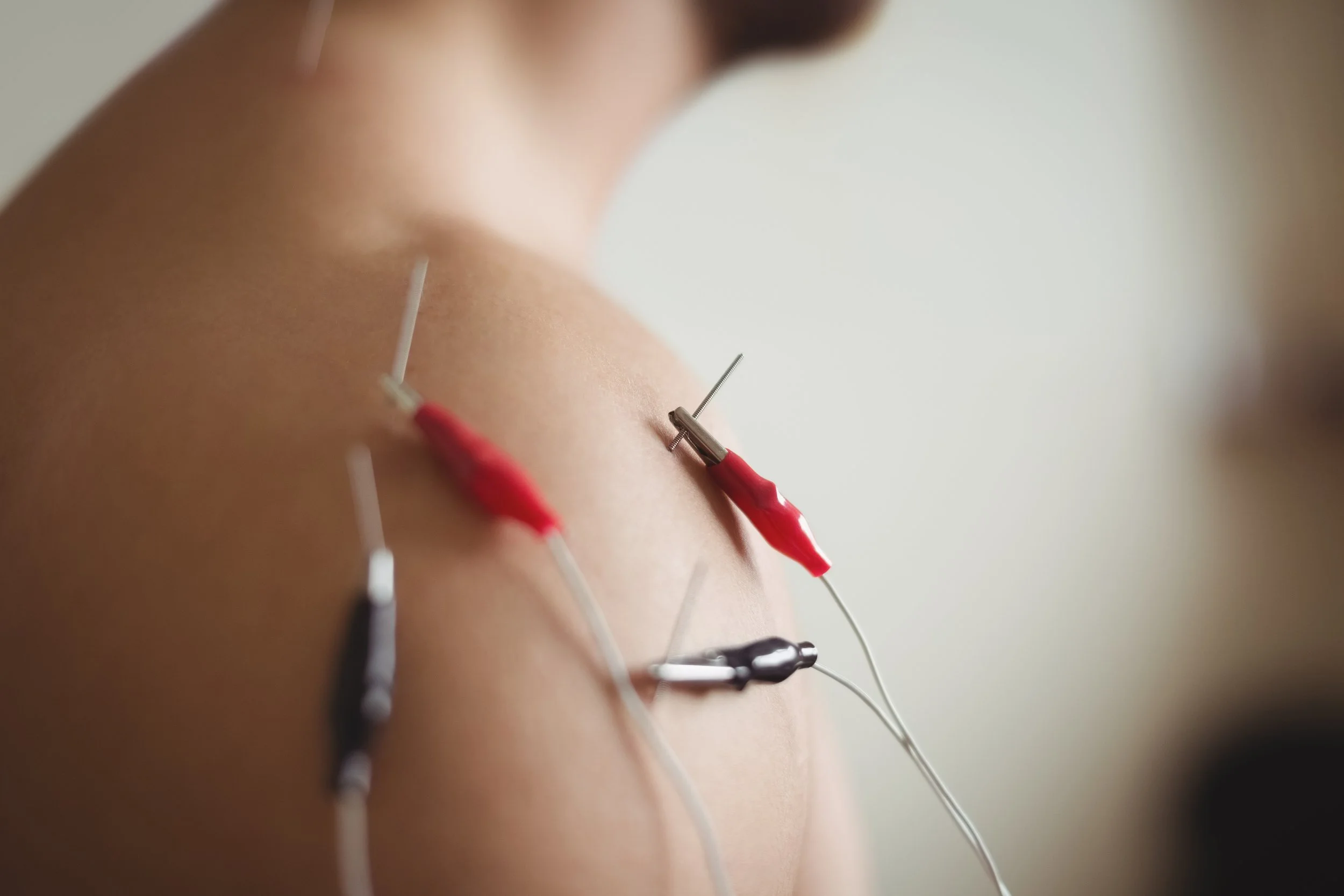
Electro Dry Needling
Electro dry needling combines traditional dry needling with gentle electrical stimulation delivered through the needles. The electrical current enhances the therapeutic effect by:
Improving neuromuscular re-education
Increasing circulation
Reducing chronic inflammation
Modulating pain signals
Improving muscle recruitment and strength
This is especially effective for persistent pain conditions or muscles that have difficulty activating properly.
Most Appropriate When a Client Has:
Persistent or chronic pain (>6–8 weeks)
Tendinopathy (Achilles, patellar, lateral elbow)
Post-surgical muscle inhibition
Difficulty activating a muscle despite cueing
Central sensitization features
Recurrent injury patterns
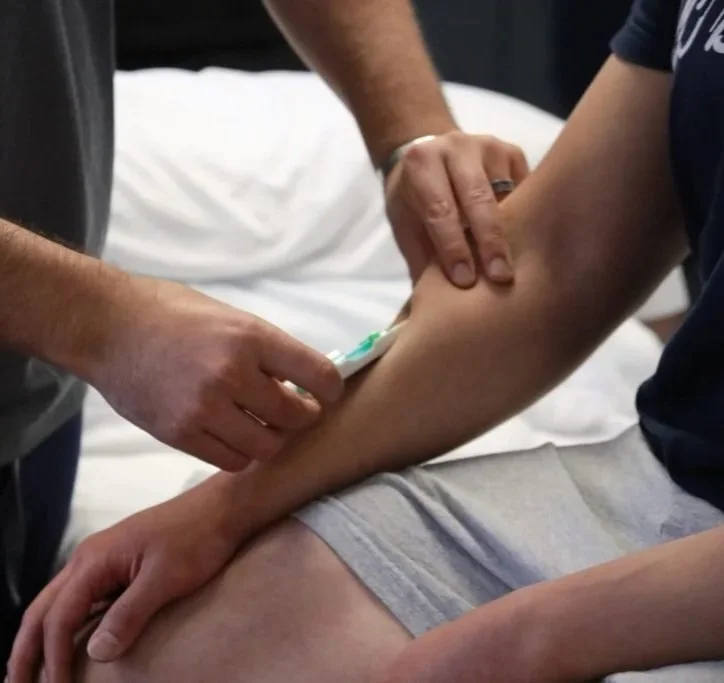
Subcutaneous Fascial Needling
Fascial needling targets the connective tissue system rather than just individual muscles. The fascia plays a critical role in movement efficiency and force transfer throughout the body.
By addressing fascial restrictions, we can:
Improve tissue glide
Restore mobility
Decrease tension patterns
Improve posture and movement efficiency
Enhance performance output
This approach is ideal when pain or restriction is more widespread or movement feels “tight” despite stretching.
Most Appropriate When a Client Has:
Diffuse stiffness rather than one isolated trigger point
Multi-joint movement restriction
Scar tissue or post-surgical restrictions
Rotational mobility limitations
Persistent “tightness” despite stretching
Myofascial Decompression (Cupping)
Cupping therapy is a soft tissue intervention used to improve tissue mobility, reduce pain, and enhance recovery.
Cupping uses negative pressure (decompression) applied to the skin and underlying soft tissue through specialized cups. Unlike massage, which applies compression, cupping lifts and separates tissue layers.
This decompressive effect can:
Increase local blood flow
Improve lymphatic movement
Reduce tissue adhesions
Improve fascial glide
Decrease pain sensitivity
The result is improved tissue extensibility and movement capacity.
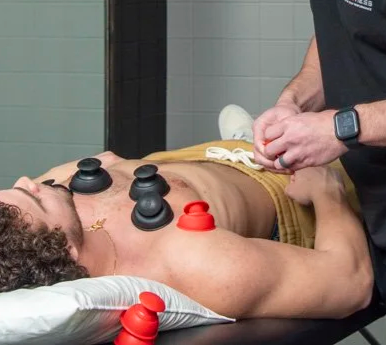
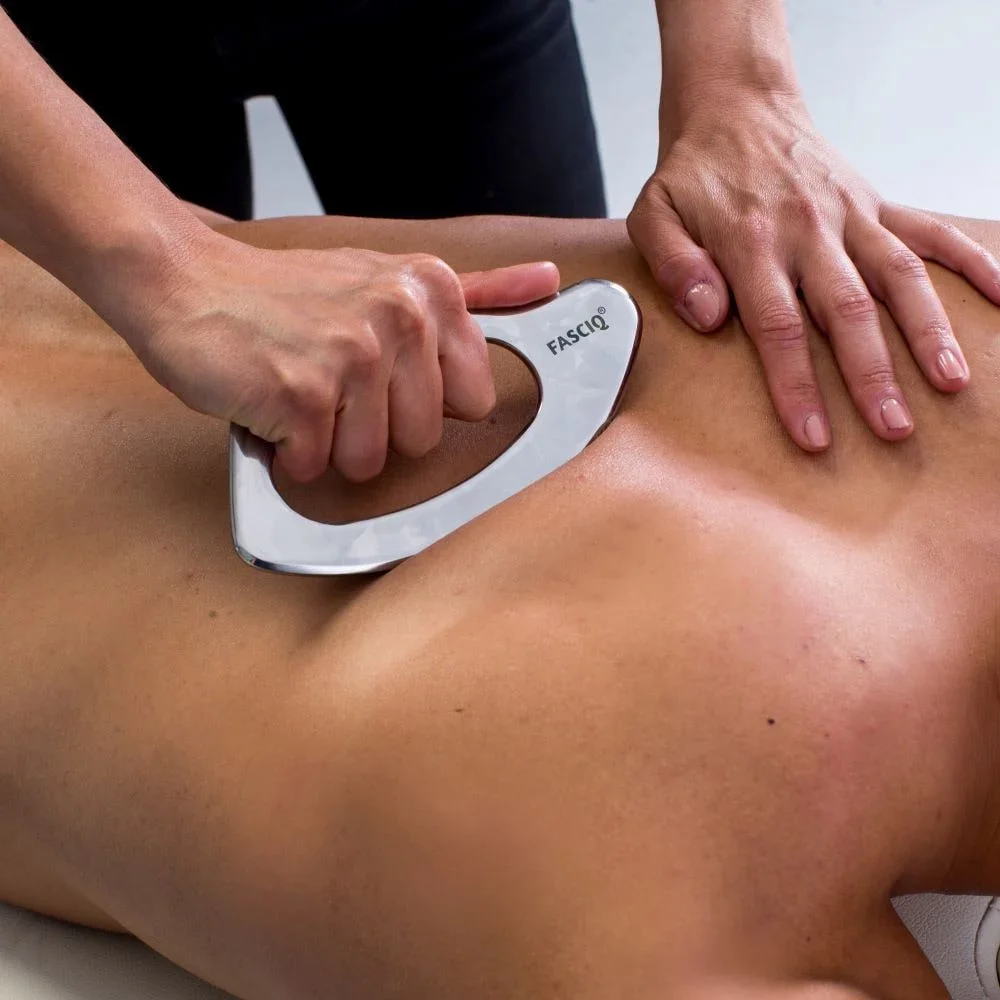
Instrument Assisted Soft tissue Mobilization (IASTM)
IASTM (scraping) uses specialized stainless steel instruments to apply controlled mechanical stress to muscles, fascia, and tendons. The instruments allow for greater precision in detecting and treating:
Fascial adhesions
Scar tissue
Tendon irritation
Chronic soft tissue restrictions
Areas of abnormal tissue density
The mechanical stimulus promotes localized circulation and stimulates a controlled inflammatory response that supports tissue remodeling.
KINESIOTAPING
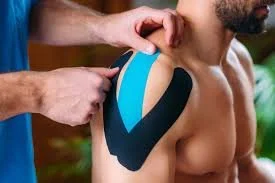
Kinesiotape is a specialized elastic therapeutic tape designed to mimic the elasticity of human skin. When applied with specific tension and direction, it can influence both mechanical and neurological responses in the tissue.
Depending on the clinical goal, taping can:
Facilitate underactive muscles
Inhibit overactive muscles
Improve proprioceptive input
Reduce localized swelling
Decrease pain sensitivity
Provide dynamic support during movement
Unlike rigid athletic tape, kinesiotape allows for full joint motion while offering neuromuscular feedback.
Assisted Stretching
Assisted stretching involves the practitioner moving a joint or tissue through controlled ranges of motion while monitoring resistance, tissue quality, and neuromuscular response.
Unlike self-stretching, clinician-guided stretching allows for:
More precise positioning
Controlled stabilization of adjacent joints
Targeted neuromuscular inhibition
Progressive end-range loading
Real-time assessment of restriction
Techniques may include contract-relax (PNF), positional inhibition, and controlled end-range mobility work.